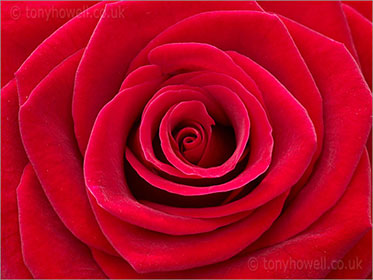
Thousands of great flower photos here: -
View Flowers by Name: -


View Flowers by Colour: -








Get up early = great images
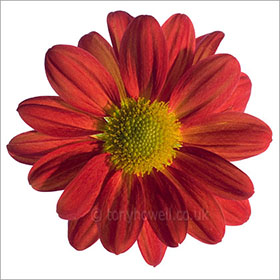
Before the sun heats up the land there is usually far less wind,
enabling you to get close without risk of your 'daffodils dancing in the breeze',
causing blur.
Also, there is often dew on the plants (or frost in winter), which can add another dimension to your pictures
Take care in direct sunlight
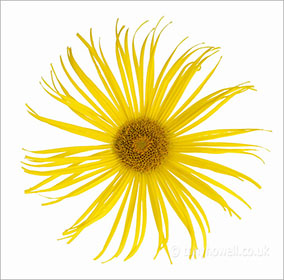
Take care doing flower pictures in direct sunlight - this is the most common mistake that beginners make. Plants look great in the sun with the naked eye, but neither film or digital can cope with the increased contrast. Overcast conditions are often better, colours then saturate and your pictures will still look really bright and colourful.
There are exceptions to this though - for example, sunlight can create dark shadows behind your sunlit subject, creating an excellent non-distracting background. If you are going to take plant pictures in sunlight, try using a polarising filter to reduce glare and enhance the colours
Use Lower ISO settings on your Digital Camera
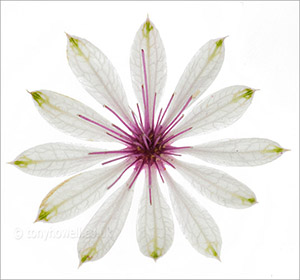
To get the lowest noise, most digital cameras work best at ISO100 or ISO200, so use this setting and a tripod for best results. You don't want to take a great image, only to find the noise unacceptable - especially if you want to try and sell your images, or get them published
Get a Macro lens
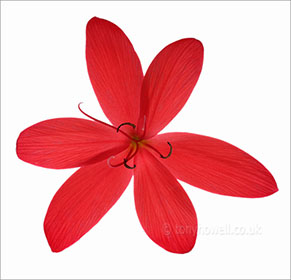
If you want to get close, to really show the amazing form of plants in their full glory, you need the right lens for the job. The Tamron 90mm is an excellent lens that comes highly recommended and fits most SLR's. I've used one for many years, or I'd also recommend Sigma, Canon, Nikon & Sony
Use a tripod
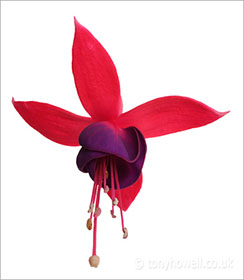
Getting close increases the chance of camera shake, so it's best to use a tripod whenever possible. It also slows down the picture-taking process, which means you have more time to concentrate on the composition
Ignore the 'everything must be pin-sharp' rule
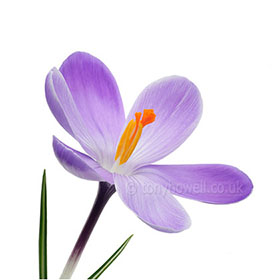
You may have read in certain photo magazines that all close-up pictures must be pin-sharp. Hopefully you'll have noticed by looking at some of the photos on display on this website, that plant images can often look really good with only a small amount of the image actually in focus. Obviously, some pictures do look better sharp all over - experiment and practice
Get better lenses
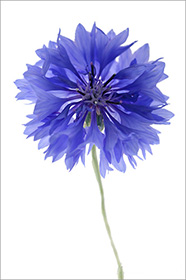
The glass you use makes a lot of difference to the quality of your images. Of course, good lenses are more expensive, but well worth it if you're serious about your images. I mainly use zoom lenses, which are not quite as good quality as 'prime' (fixed focal length) lenses, but they give you more control over the composition, something I consider more important than ultimate quality
Blur your backgrounds
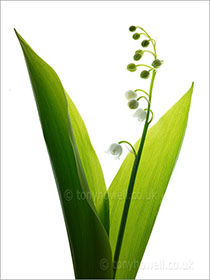
Use a large aperture (smallest number your lens will open to, like f/4 or f5.6) to avoid fussy, distracting backgrounds. See Depth of Field below
The strength of the image below is in it's blurred background; soft, undistracting, good colour, obvious that it's more of the same flowers at a distance and tones balanced perfectly with the main subject
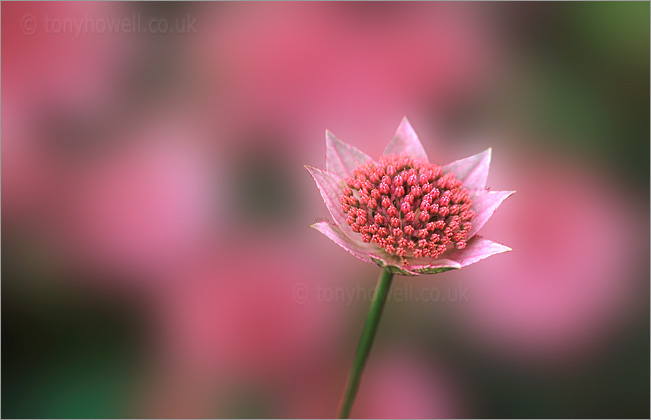
The image below required a small aperture (f16) to get as much in focus as possible. Using a small aperture means you have to use a slower shutter speed, so watch out for camera shake (put your ISO up to allow faster shutter speeds), or do what the professionals do - use a tripod
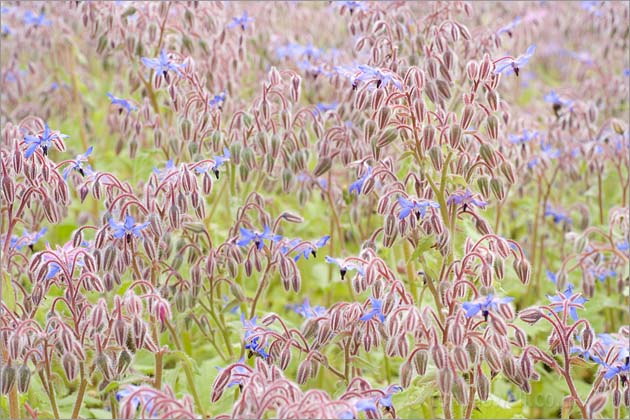
The image below required a specialist technique called focus stacking, it's made up from 9 images focused at different points then combined with Helicon Focus software. Click the image then choose 'ZOOM'
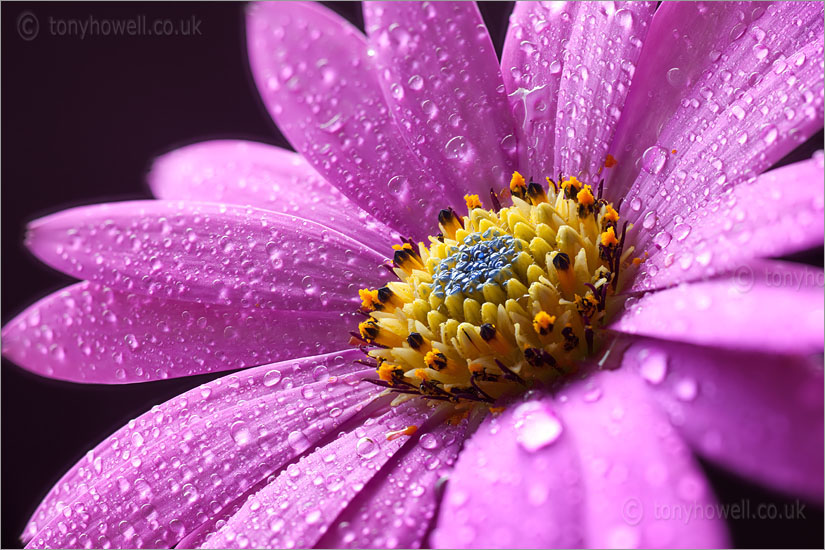
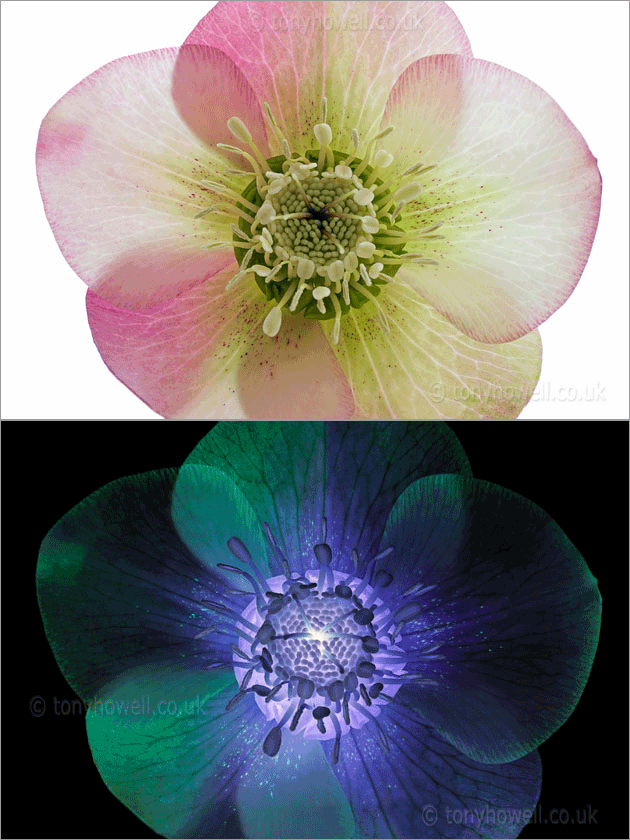
How to make flower inversions in Photoshop. Step 1 - Open the image in Photoshop and choose Image>Adjust>Invert. That's it - you're done!
Depth-of-field/Aperture
Depth-of-field is simply the zone of sharp focus in a scene, and this can be controlled by the aperture settings. A small aperture number like f4 or f5.6 means small depth-of-field - great for ............

Understand ISO
To get the lowest noise, most digital cameras work best at ISO100, so use this setting and a tripod for best results. You don't want to take a great image, only to find the noise unacceptable - especially if you want to try and ........................
RAW Images
I often come across digital photographers who shoot all their images in Jpeg. This makes it easy to process the images, sure, but also means that you're unable to adjust the images as well later on without losing quality....................................
Composition
We all dislike rules, but the rule of thirds is one worth learning. Lots of images look better when following this rule. Imagine the image you're composing split into three segments horizontally, and three vertically...............................
‘My compliments on a truly excellent website......it's fantastic to see a professional spending time on his website to provide hints and tips to people like me. Your pictures also provide me with great inspiration to do better.’ M.P, Plymouth, UK